
Are you confused about what’s in the public domain? How public domain works? Or if you can use public domain images commercially or on your book cover or blog?
You’re not alone! I’ve been teaching various aspects of copyright for 20+ years through my course, Write Effective Web Content, as well as through discontinued courses I’ve taught.
One of most frequently missed uses of public domain materials though, is for research. When I was writing my novels set in the old west I found some great books that I used to establish an authentic background. What better way to learn about cowboys in the old west than through their memoirs and stories?
So, let’s take a quick look at public domain and how authors and content writers can legally use it.
What’s the definition of public domain?
The public domain (PD) consists of all the creative work to which no exclusive intellectual property rights apply. Those rights may have expired, been forfeited, expressly waived, or may be inapplicable.
So, let’s unpack this a little bit further. Intellectual property is something you’ve created with your mind — and you have the exclusive rights to own it. Think of it as a house you’ve purchased as opposed to one you rent.
In order to be in the public domain those intellectual property rights no longer apply. Why? Legal protection for intellectual property has limits, so when time’s up, the intellectual property goes into the public domain.
Those legal rights may also be forfeited or waived — in other words, you can put your intellectual property out into the world voluntarily. And finally, intellectual property rights may not be applicable, such as AI generated content.
What About Public Domain & Copyright?
Copyright is a type of intellectual property. If, for example, you write a novel, you own copyright for it simply through the act of putting it in a tangible format.
Copyright gives you the exclusive right to control its reproduction and distribution — and earn from it.
But how is that related to public domain?
When copyright for your novel expires (in Canada and the U.S. for books written now, that means 70 years after the death of the author) your book goes into the public domain.
Once a work is in the public domain, users who have access to the original copyrighted version are free to use it however they wish.
So how are Public Domain and Creative Commons related?
Remember back to that Wikipedia definition? It indicated that intellectual property rights, like copyright, can be expressly waived.
So, owners of intellectual property such as text, images, and videos, can distribute their property with a Creative Commons (CC) license.
There are a number of CC licenses available that let the owners decide how they want to share their property with others. Licenses can require users do such things as provide an attribution naming the creator or not make any modifications to the material.
Fast Fact: The CC0 license from Creative Commons is attached to material when copyright holders wish to waive all their interests in their creative works worldwide.
So, to be clear, the only CC licensed material that’s in the public domain is material shared with the CC0 license. All of the other licenses leave ownership with the copyright holder.
How Do I Find Out What’s in the Public Domain?
The protection provided for creative works has evolved over time. For example, Canada recently changed the length of time that copyright in every literary, dramatic, musical, and artistic work is protected from life + 50 years to life + 70 years. The change came into effect on December 30, 2022.
As a result, no new works will be added to the public domain in Canada until 2043.
It’s also important to note that countries around the world have signed international treaties that protect the copyright of all creators equally, not just those in their own country.
So, let’s take a look at an example.
You’re probably familiar with Ian Fleming, the author who created James Bond. He was a British citizen who died August 12, 1964. In Great Britain his works are protected for his life + 70 years, so until 2034. Likewise in the United States.
However, in Canada, since Fleming died before December 30, 2022, his books went into the public domain in 2014.
Okay, to sum it up briefly, you need to know the copyright laws of your country if you want to work with public domain material!
Or, you can use some sources on the Web to help you check things out.
- Project Gutenberg Canada – if you’re outside Canada, check the date the book went into the public domain to see if it meets your country’s requirements.
- Project Gutenberg U.S.A. – you can reuse any of these texts if your country also protects copyright for life + 70 years (pretty much everybody!).
- Project Gutenberg partners and affiliates in other countries.
- Music Public Domain information.
- Library of Congress images free to use and reuse.
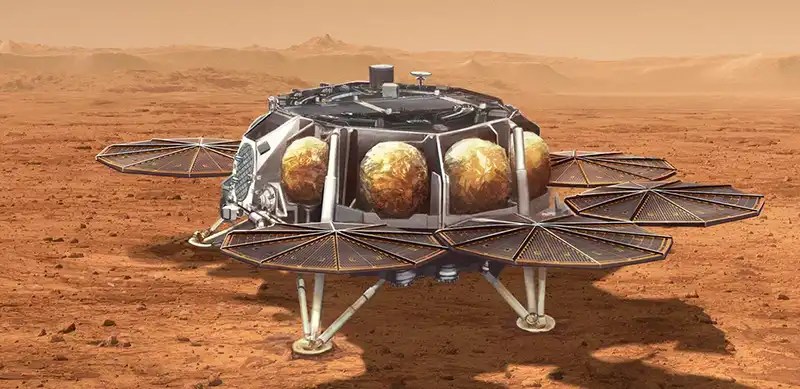
- U.S. Government documents and images are typically in the Public Domain (Canadian Government documents and images are protected by copyright), so you can use many released NASA images and documents in ALIC, the Archives Library Information Center.
- Library collections often link to public domain resources.
- Public Domain Information project.
Can Authors Publish Works Based on Worlds & Characters in Copyright Protected Works?
Copyright protects all of the copyright holder’s rights to a work. That includes derivative works.
What’s a derivative work? A work created or derived from another piece of intellectual property such as a copyright protected book or image.
Fast Fact: No, you can't legally "publish" something you write that's based on something still protected by copyright.
If you’re wondering how fan fiction websites with closed membership let members publish works based on other works, it’s due to the definition of the word “publish.”
Publication means that the work has been made available to the general public. So, when material is distributed to a membership, like a closed fan fiction group, it’s not published.
Even things like having an exhibition of artwork isn’t considered published. Nor is performing a literary, dramatic, musical, or artistic work in public. Learn more at this University of Alberta article.
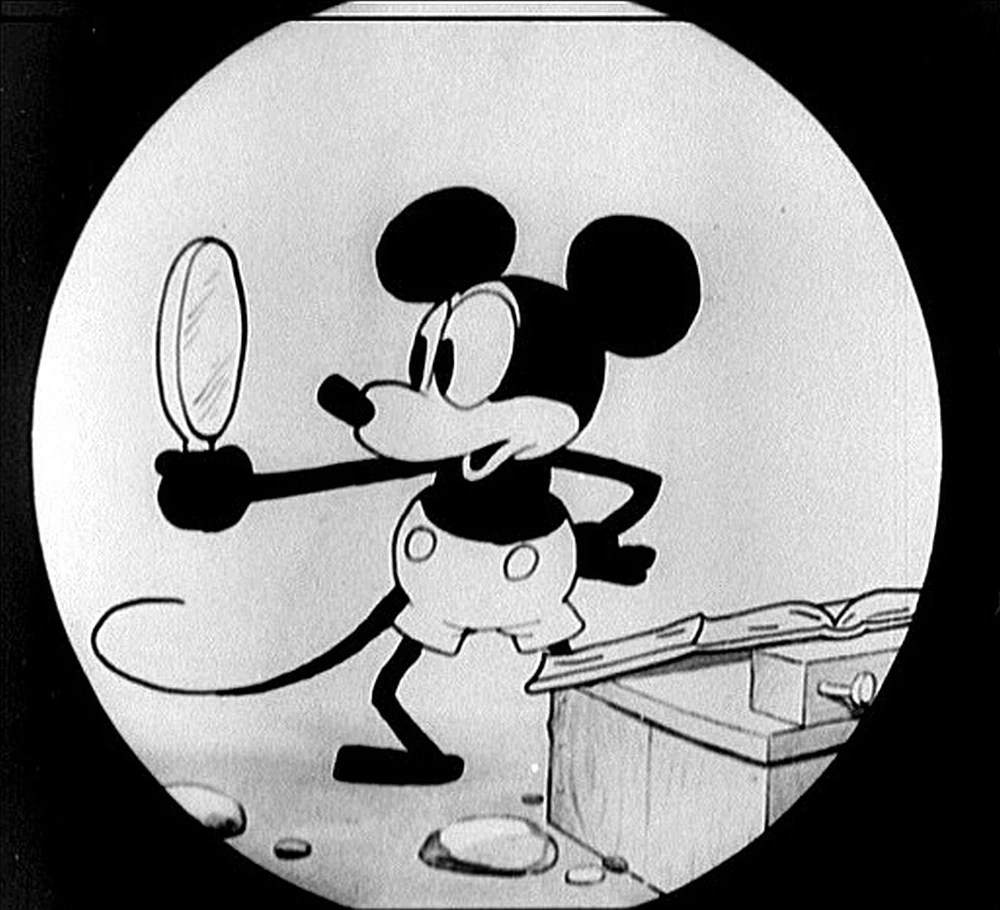
The good news though, is that some big-name characters and worlds will soon be in the public domain!
Will Batman become public domain?
The short answer is probably yes.
The bad news is that many characters changed over time, so those changes may still be protected.
You may get Batman in 2035, but you don’t get Robin, as he wasn’t in the original comics.
And since these comic book characters mean big $$$ to their owners, the owners may try to get more protection under Trademark laws. You’ll have to wait and see!
All that said, there are lots of super hero characters in the public domain that you can use today!
Can Authors Publish a Public Domain Copy of a Classic on Amazon?
The short answer is yes. If an author has access to a version of a classic that’s in the public domain, they can do whatever they want with it.
However, Amazon (and other booksellers) don’t want a thousand copies of every classic that’s ever been published litering their virtual shelves. So there are rules.
Check Out Linda’s Re-tellings of Traditional Folktales!

The eBooks on Amazon
Little Red Riding Hood: A Beginner Reader Fairy Tale
The Lion and the Mouse: An Easy Aesop Fable
The Three Little Pigs: An Easy Adventure Story
The Turtle & the Rabbit: Tortoise and Hare
Necile Saves Baby Claus: Santa Claus Grows Up
First of all, you could rush to be the first to publish a title that’s just entered the public domain. If you miss that window, though, there are options.
Amazon allows for something called differentiated works — these are original creations that meet specific requirements. In other words, you need to take the public domain title and update it in some way.
- You could translate a book into a new language as long as somebody hasn’t already done it.
- You could annotate the book or add original content such as historical context or literary comments.
- You could illustrate the book adding a minimum of 10 illustrations relevant to the book content (not your photo!).
Summing Up
Excited or disappointed with what you’ve learned? I’ve found working with public domain materials to be a lot of fun — in my next article I’ll tell you about my experiences.
In the meantime, try checking out Publisher Rocket by the Kindlepreneur to see which of your favorite public domain books have already been published. Just use the title in a keyword search. (Note that Publisher Rocket isn’t free — and if you purchase it, I’ll earn an affiliate fee at no additional cost to you.)
Read More Articles on Publishing
- An Easy Trick to Know Whether to Ask KDP to Change Your Book Categories
 Trying to decide whether to ask Amazon to change your book’s KDP categories? Here’s an easy trick to help you decide and the data’s all free!
 - How Do You Get Your Book into the Amazon Categories You Want?
 Did you know that just changing your ebook’s categories could increase your income! Here’s how to do it using Publisher Rocket.
 - Public Domain & Copyright: Answers to Common Questions
 Teacher & author, Linda Aksomitis, answers common questions about public domain and copyright. Learn how you can legally reuse or republish materials already in the public domain.
 - How Do You Find Out Which Publishers Are Selling Best on Amazon & How Much Money You’d Earn?
 Are you looking for a publisher for your book? It can be hard to decide which publisher will be the best — and even harder to decide if self publishing would be a better option for you and your books. So, here are some insider secrets to help you decide.
 - Answers to 20 Common Ebook Publishing Questions on How to Get Started Self Publishing
 Self publishing is a big challenge! Here are the answers to 20 common questions authors have while they’re getting started as an indie publisher with Amazon KDP and other e-book markets.









 Linda Aksomitis
Leave a comment